

Here’s something you should know if you want to successfully interpret what I write about digital transformation. I do not compare the current state against competitors, features, trends, buzzwords, economies, or ideas. The reason is simple, those things are fleeting and chaotic, and no one has control over them; let alone the ability to assign meaningful value to them. People try. I sometimes get blow back when I point that out. 🤷♂️
Compare the current-state against a solution-independent model of the ideal future-state
This is the missing ingredient in most innovation initiatives (and product analyses), and a core reason that
product launches fail at a high rate, and
seemingly successful industries eventually stall.
Most future-state constructs are focused on “future features.” Thus, the future-state is continually changing. How do you chase a changing target? A better way might be to construct a stable future-state based on the actual core objectives shared by a group of end-users
Conducting research by continually swapping lenses as they go in and out of focus is like a dog chasing its tail. A better focus is laser targeting on the core purpose behind tasks that (potential) customers are attempting to perform…or sometimes choose not to perform (but would like to). Best practices is not an appropriate lens because it is tightly integrated in the solution-space.
Current solutions do not provide the necessary data to innovate beyond the consumption chain. And there is only so much efficiency that can be gained before something of higher order is demanded.
The current core unmet needs of customers always determine the successful products of the future, even if the founder couldn’t articulate them. Your job is to discover, and articulate them first.
Using a stable lens allows people like me to study industries in which I have do not have deep execution expertise. The current-state should have a clear purpose to end-users who want to flawlessly meet their objectives. Unfortunately, they are rarely able to do so.
A better lens would allow you to successfully evaluate existing industries, predict emerging threats/opportunities, and spot disruption early. It would provide the backbone for a long-term, strategic road map and a core set of performance metrics that are customer-centric, and by that I mean customer “job” centric.
“Next generation” product road maps should make the next level of abstraction visible and predictable; adding a new dimension to your innovation, or product-selection playbook
Many industry pros are married to the analysis of current solutions; even when they try to be agnostic. I believe it takes far less effort to find a needle in a haystack when there’s actually a needle in the haystack. Needles are inherently missing from current solutions because…they aren’t future solutions.
Why do I suggest that marketing technology is missing significant opportunities?
Keep something in mind about they way I think, most products only address a part of a market…products are not an organic market themselves. If you view markets through the lens of solutions, 👀 the future will always looks like a variation on the status quo.👀 What mystifies me is that no one seems to care that the status quo always gets blown up, eventually, by someone who wasn’t invested in it. Think Bezos.
When I point to market areas that I believe are not being addressed, I’m not talking about features that you believe fit into the labels I use to describe those areas. My definitions point to objectives that require end-users to create their own solutions.
Each comparison I make is to either the core objective of a market, or one or more sub-objectives that support it. Objectives are solution-independent. Most solutions only address one or two sub-objectives in a market.
The more objectives you address, the more competitive you will be, and the less likely you will be disrupted by someone who addresses more of the market.
In the case of marketing, I’ve separated the capabilities out very differently than you generally see from analysts or consultants. Current marketing solutions display artificial boundaries of the market in which they function. In fact, there are other tasks that must take place to be successful at developing a qualified lead.
Today’s solutions tend to address the activities they want to address. I’ve been pointing out some of the objectives that marketers have that martech software generally doesn’t address. In this case, the things you must do before you provide inputs to, and/or configure your marketing technology.
I know you don’t just flip a switch
If you watch a successful marketing team, you will see activities occur that are not being supported by what we consider to be common marketing technologies. For example, which marketing technology facilitates mapping the value chain, and the levels of influence participants have at each node, or junction? If you need to consider that, why hasn’t a relevant method been standardized, digitalized and integrated?
Oh, you do that in Google Docs?
Sometimes you have to throw out your baggage and start over. I did that a number of years ago
If you take a long look at the numerous sub-objectives that a marketing team developing qualified leads must achieve, and evaluate the solutions that are used, it should be clear that numerous digital tools, 3rd party services, and methods are cobbled together in order to be successful.
Note: successful marketing teams do more of the right things than unsuccessful marketing teams. Don’t read their personal headlines, watch what they do and ask why!
A number of CRM platforms are making huge strides with regard to creating abstracted process layers across functional areas and systems. That means part of the technology is in place to help markets start a little bit earlier in the real underlying process. We simply lack the standards (not the methods) for addressing these missing steps.
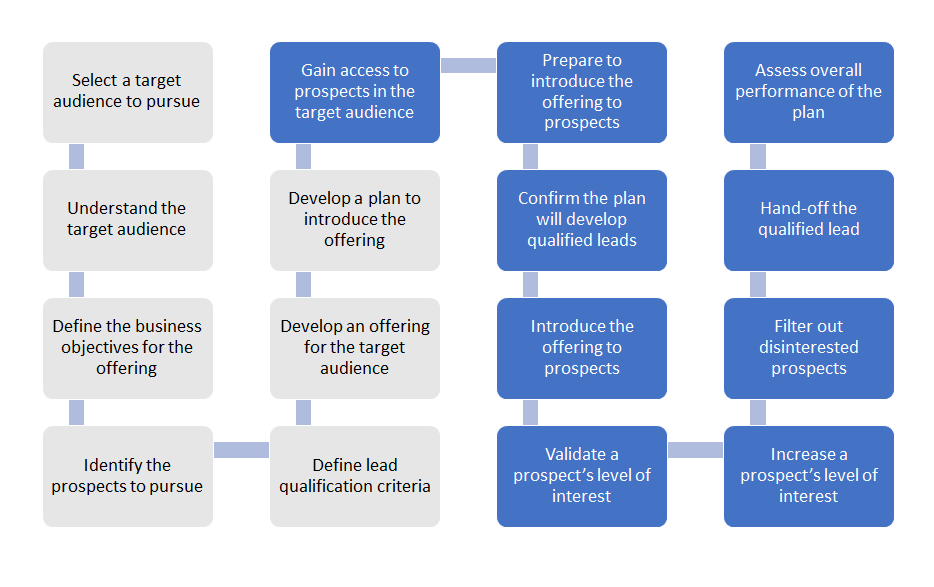
Your goal as a product strategist (or CRM software platform strategist) should be to help your customers get their entire core job done, on a single platform. With regard to marketing specifically, the current-state clearly supports the theater of marketing and in my opinion is weak on the integration of planning activities.
My suggestion would be to address each step I’ve highlighted as completely as practical and addressing as many steps as practical. Adding more features to theater adds cost, and suggests that customer feedback is being misinterpreted. Your customers can tell you what’s practical, if you ask them the right questions.
If the performance of marketing theater is not getting the desired results, maybe it’s because most marketing teams are not strong on then planning side. In fairness, marketing teams shouldn’t have to make this stuff up; because that points us to poor product planning - another topic I’m interested in.
I’m not sure even artificial intelligence can fix the lack of necessary inputs that should come from the front-end of innovation.
So, my analyses will always compare solutions against a stable model of the market in which they compete. If I’m comparing two solutions, it will be against the market model, not each other. I will use a single capability matrix, not a myriad of vendor-focused feature matrices that end-users can’t relate to.
The model never changes. Only the solutions do, as brands strive to gain dominance across the entire market. It’s like the moon and the stars for early navigators. They are always there, which is why we can count on them. Simple.
Addendum:
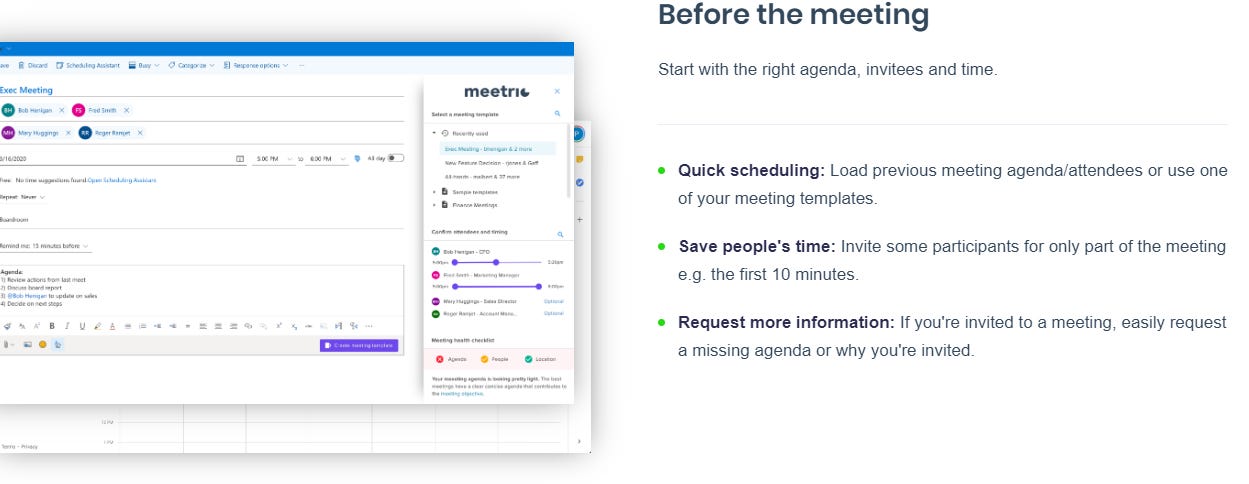
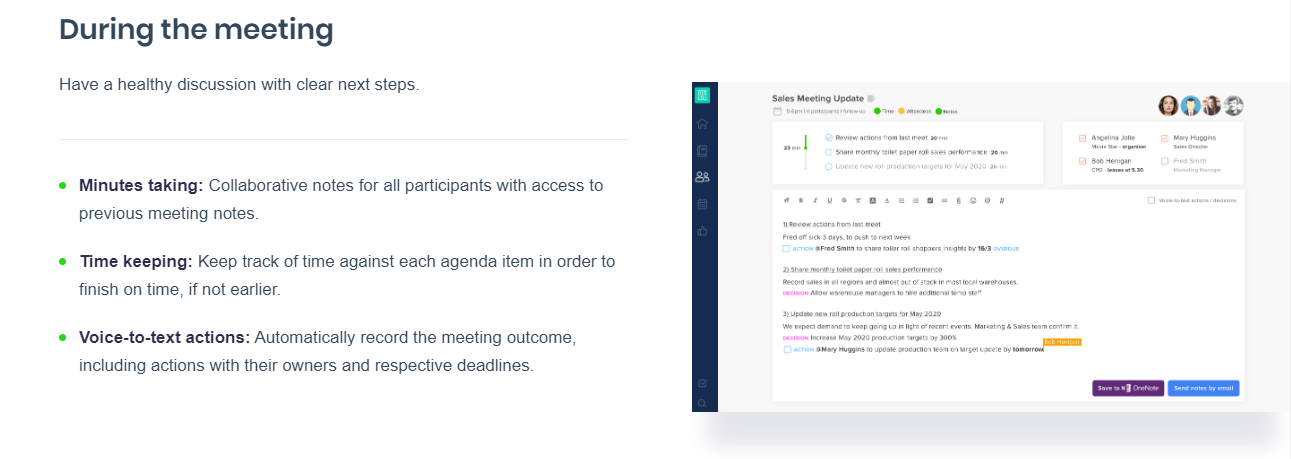
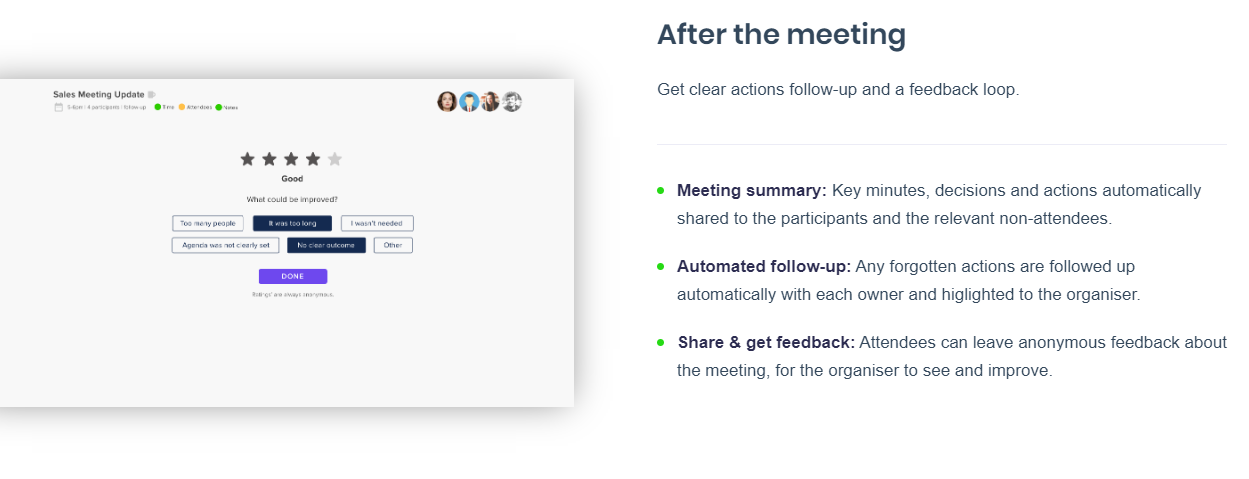
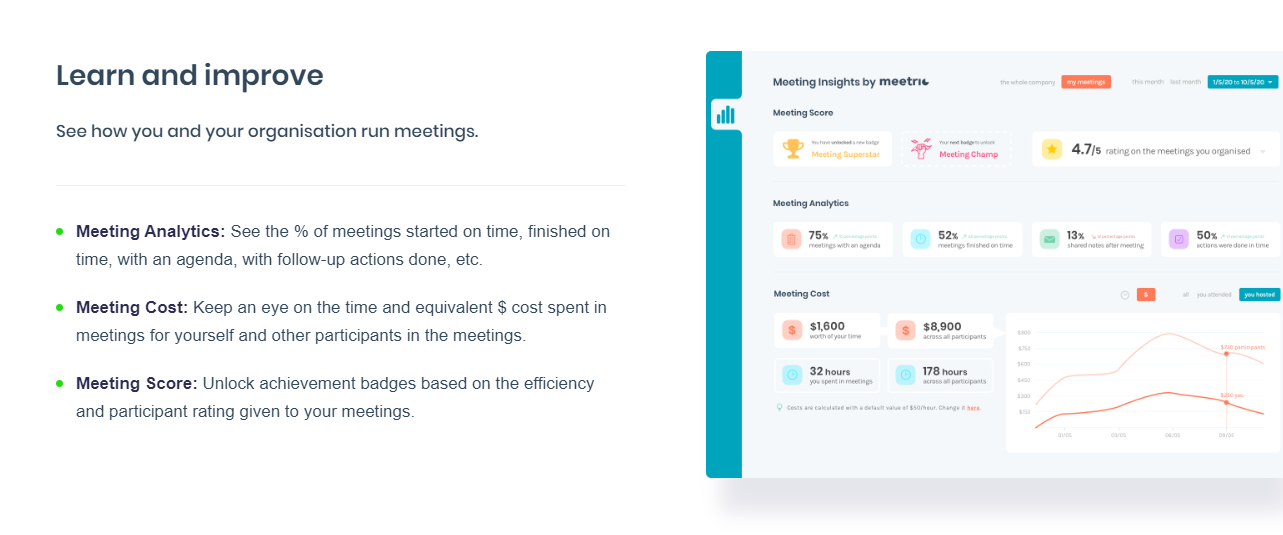
You may recall that I used an example of a meeting to demonstrate a process that current digital technologies never address. For example, Zoom may handle the scheduling and communications of a remote meeting, but it really does very little else.
So, after that post I got followed by @meetric on Twitter. Clearly, there is someone out there that is trying to address meetings-as-a-process. Peter Scholtes would be happy.
Hi Mike,
What a great piece of content. All your Marketing series posts have been a joy to read. What I'm getting is that marketing as a long way to go to become job centric under an ODI lens.
Sadly it appears that most Digital Marketing is nothing more than legal phishing.
Looking forward to the next entry.
Cheers!